The NARFU project on digitalization of material cultural heritage in the Arctic is supported by the Working Group of the Arctic Council for Sustainable Development
3 June 2023
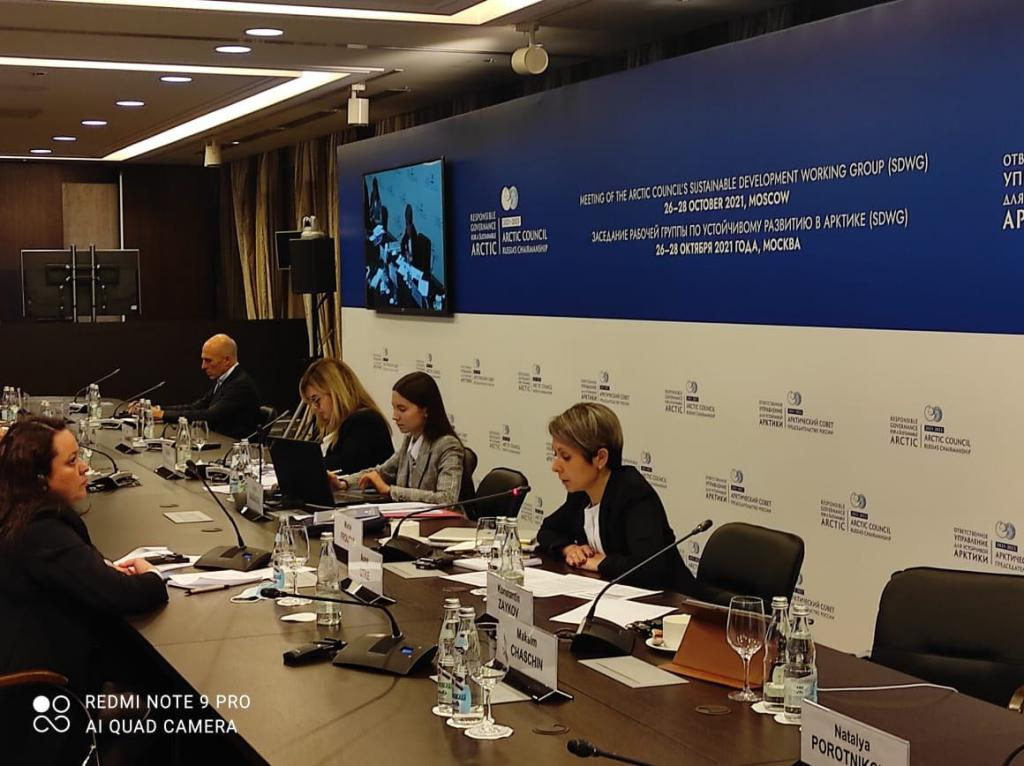
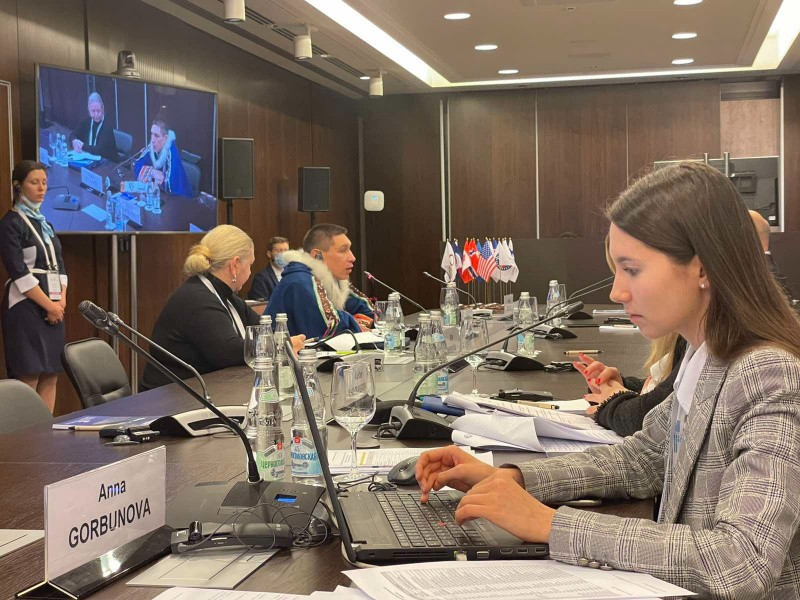
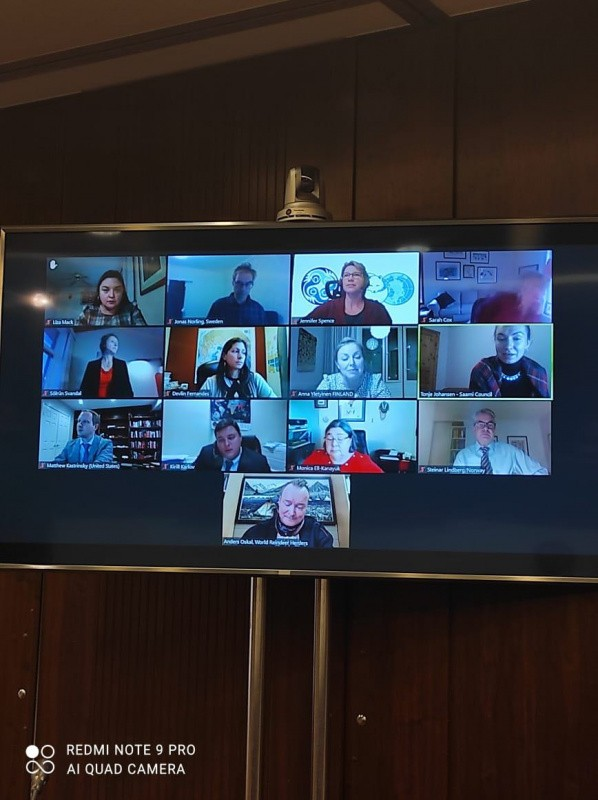
On October 26-28, a regular meeting of the Working Group on Sustainable Development of the Arctic Council was held, the main activity of which is to implement project initiatives aimed at obtaining practical knowledge and contributing to improving the capabilities of indigenous peoples and Arctic communities to respond to challenges in the Arctic. This year's meeting was organized under the chairmanship of the Russian Federation in a hybrid format. The activities of the Arctic Council's Working Group on Sustainable Development are overseen by the Ministry of the Russian Federation for the Development of the Far East and the Arctic, the Working Group is headed by Abidat Magomedova, Deputy Director of the Department of International Cooperation and Technological Development of the Regions of the Far East and the Arctic.
The event was attended by more than 100 people, including heads of delegations of the Arctic Council member countries and representatives of observer organizations: the Arctic Athabaskan Council, the International Association of Aleuts, the International Council of Gwich'ins, the Circumpolar Council of Inuit, the Association of Indigenous Peoples of the North, Siberia and the Far East of the Russian Federation and others. At the meeting in Moscow, NARFU was represented by Konstantin Zaikov, Vice-Rector for International Cooperation and Information Policy, and Maria Frolova, Head of the Department of Cultural Heritage of the Northern and Arctic Territories. Within the framework of the three-day eventful program, participants discussed new project initiatives, current projects of the working group, and further work plans for 2021-2023. Among the issues under consideration: improving the sustainability of the Arctic ecosystem; preservation of the Arctic architectural heritage; assessment of the situation with COVID-19 in the Arctic and its impact on public health; digitalization of the linguistic and cultural heritage of the indigenous peoples of the Arctic; development of a cluster of Arctic food innovations; remote energy systems; use of hydrogen energy in the Arctic; solid waste disposal in Arctic communities; preschool and school education; gender equality; shipping, as well as the project of the international Mammoth Center in Yakutia.